

Considering Making a Switch?
If you’re thinking about making the switch to a tankless water heater, you’re in the right place!
Whether you’re after energy savings, more space, or an endless stream of hot water, our list of pros and cons of tankless hot water heaters will help you decide if an upgrade is right for you.
The first thing to determine is whether the switch is even possible.
How to Switch to a Tankless Water Heater
At Positive Plumbing, Heating and Air, we make replacing your old water heater with a tankless model a hassle-free experience.
To move from a traditional water heater to a tankless one, you need to:
- Ensure your home has access to natural gas or propane.
- Identify approximately 2ft x 3ft of available wall space, either indoors or outdoors, for installation purposes.
- Reach out to Positive Plumbing, Heating and Air for an in-home consultation.
As you can see, switching to a tankless water heater is a really easy process!
Are you ready to relax with an efficient and dependable on-demand hot water system?
Pros of Tankless Water Heaters
Tankless hot water heaters offer numerous advantages, making them a popular choice for homeowners. Here are some of the key benefits:
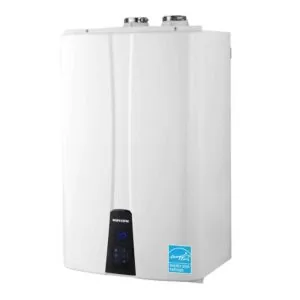
1. Endless Hot Water
Imagine never running out of hot water again. It’s possible! Tankless units are innovative systems that provide a continuous hot water supply, making them perfect for households with multiple hot water appliances, numerous showers, or jacuzzi-style tubs.
Want to take a shower while simultaneously running your dishwasher and washing machine? With a tankless water heater, it’s not just a dream; it’s a reality.
2. Energy Efficiency
Tankless water heaters contribute to a greener planet and save energy.
Traditional water heaters store water in a tank and must constantly cycle on and off to maintain the desired water temperature. Unfortunately, this process inevitably leads to heat loss. On the other hand, tankless heaters heat water rapidly and only when needed, making them significantly more energy-efficient. By switching to a tankless water heater, you can expect a noticeable reduction in your energy bills.
3. Longevity
Tankless water heaters are a wise investment. On average, they last twice as long as traditional water heaters with storage tanks. While a high-end traditional water heater may give you around 10–12 years of service, a tankless water heater can easily provide a reliable source of hot water for up to 20 years. So, investing in a tankless system means fewer replacements and long-term peace of mind.
4. Saves Space
With a tankless unit, you maximize your living space.
Traditional tank-style water heaters—with their bulky 40- or 60-gallon storage tanks—are far from convenient, especially in smaller homes. Tankless water heaters, however, offer a smart and efficient space-saving alternative. Mounted on a wall, they stay out of your way, liberating precious floor space.
How would you like to have more room in your cottage, bathroom, or basement?
5. Fewer Safety Risks
Tankless water heaters are designed with safety in mind. Why is this? It’s tied to their on-demand water heating system, which eliminates common issues typically associated with a traditional tank water heater, such as water leakage, corrosion, and the risk of catastrophic tank ruptures.
6. Rebates
What’s better than saving money? Some ENERGY STAR-rated tankless water heaters qualify for rebates in Southern California. Positive Plumbing, Heating and Air will assist you in identifying and accessing the rebates currently available.
Cons of Tankless Water Heaters
While there are numerous tankless water heater pros, it’s essential to consider their drawbacks before making the switch.
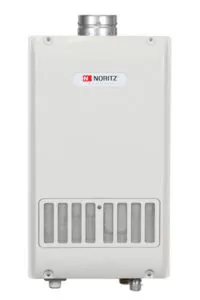
1. Higher Cost (Initially)
One of the primary drawbacks of transitioning to a tankless water heater is the higher up-front costs, which include the water heater itself and the installation process. Furthermore, tankless water heaters may require new venting or gas lines, especially in homes previously equipped with conventional tank-style water heaters.
However, it’s important to recognize the energy savings you’ll now enjoy by not constantly reheating water in a tank. Over time, this efficiency will offset the initial expense. Additionally, certain units, such as electric tankless water heaters, have a lower price point or qualify for a rebate. (See above!)
2. Lower Flow Rate
Some tankless units provide less hot water per minute than their traditional counterparts, particularly when multiple fixtures or appliances are drawing hot water simultaneously.
The specific flow rate of a tankless heater will vary depending on the make and model, though. Therefore, choosing one that is properly sized for your home and suits your specific hot water needs is crucial.
3. May Need Multiple Units
A single tankless unit may struggle to meet the needs of very large households or homes with high hot water demands. The solution is installing multiple units, but this, in turn, will significantly increase the upfront cost of the transition.
4. Longer Installation Time
Depending on the complexity of your home’s infrastructure and the extent of the necessary upgrades, it may be necessary to enlist the help of other HVAC professionals, such as electricians, in addition to licensed plumbers. As a result, you may need to build in additional time to ensure the proper installation of your tankless water heater.
Count on Us for Your Tankless Water Heater Needs
It’s true: Tankless water heaters make daily life more comfortable. It’s simply hard to resist the endless supply of hot water and the energy savings they offer.
Contact Positive Plumbing, Heating, and Air if you’re curious about making the switch. We provide in-home consultations to assess your home and discuss your specific requirements. Armed with this information, we’ll surely find a tankless water heater that fits your needs and budget!
