
Water Is Coming Up Through Your Foundation Floor— Now What?
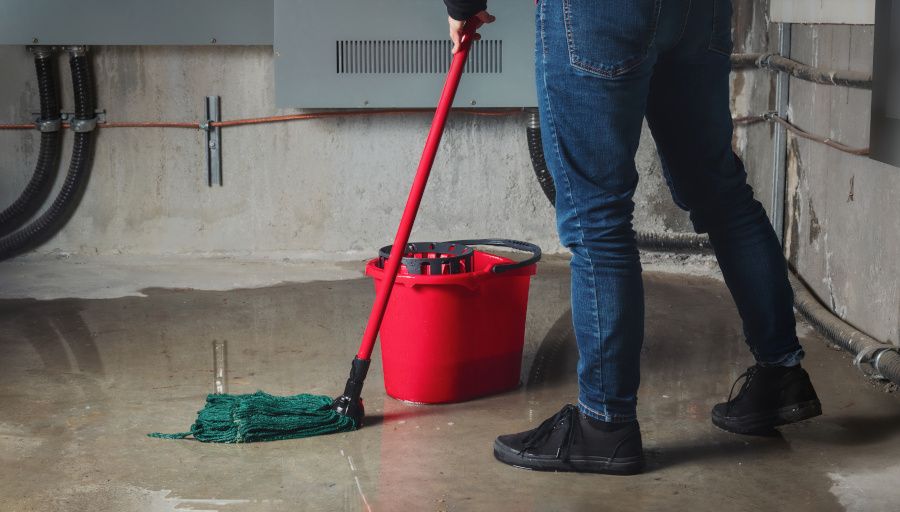
Discovering water seeping through the foundation or slab floor can be a concerning issue for homeowners. This problem is particularly relevant in California, where various regional factors like seismic activity can exacerbate foundation water issues.
There are several common causes of foundation water seepage for California homeowners—let’s take a look at some of those issues, as well as steps for both DIY troubleshooting and when to seek professional help with foundation waterproofing.
Quick Links
Most Common Causes of
Water Seepage
Addressing foundation floor seepage involves a combination of DIY maintenance and professional services. Regular inspections and prompt action are key to preventing long-term damage and ensuring a resilient foundation against water intrusion.
If you’re seeing the following signs in your foundation or near your foundation, it’s a good idea to get a professional inspection done for slab leaks.
- Persistent Dampness: If the foundation remains persistently damp, even after addressing apparent issues, it may indicate more significant problems.
- Mold or Mildew Growth: The presence of mold or mildew suggests excessive moisture, requiring professional attention to identify and rectify the source.
- Visible Cracks or Shifts in the Foundation: Any noticeable changes in the foundation should prompt a professional inspection to assess potential structural issues.
- Increasing Water Seepage: If water seepage is increasing despite DIY efforts, it’s time to consult professionals to identify and address the root cause.
California’s diverse climate and geological conditions contribute to specific challenges regarding foundation water seepage:
- Earthquakes: Seismic activity can lead to foundation shifts and cracks, increasing the risk of water infiltration.
- Droughts and Heavy Rains: California experiences periods of drought followed by intense rainfall. Sudden heavy rains can overwhelm drainage systems and contribute to foundation leaks.
What Comes Next?
Troubleshooting Issues
If you discover a leaking or wet foundation in your home, start with some basic troubleshooting:
- Identify the Source: Begin by identifying the source of the seepage. Look for visible cracks in the foundation walls or floor, damp spots, or pooling water. Trace the water to its origin to understand the potential causes.
- Inspect Gutters and Downspouts: Clogged or overflowing gutters can direct water towards the foundation, causing seepage. Clean gutters regularly, ensuring downspouts are clear and direct water away from the foundation. Consider installing gutter extensions to prevent water pooling near the foundation.
- Check Grading Around the Foundation: Ensure that the ground around your home slopes away from the foundation. Poor grading can lead to water pooling against the foundation, contributing to seepage. Add soil as needed to create a slope away from the house.
- Examine Window Wells: Inspect window wells for proper drainage. Clear debris and ensure that the wells are properly sealed. Consider installing window well covers to prevent water accumulation.
- Inspect for Cracks: Examine the foundation floor and walls for any visible cracks. Small cracks can often be patched using waterproofing sealants or concrete patching compounds. Larger or structural cracks may require professional inspection and repair.
- Check the Sump Pump: If your basement or crawl space has a sump pump, ensure that it is functioning correctly. Test the pump by pouring water into the sump pit and verifying that it activates. Clean the pump and pit regularly to prevent clogs.
- Inspect the Drain Tile System: If your home has a drain tile system, inspect it for clogs or damage. Ensure that the drain tiles are directing water away from the foundation. Clear any obstructions and repair damaged sections.
- Address Interior Water Leaks: Inspect plumbing fixtures, water supply pipes, and appliances for leaks. Fix any minor plumbing leaks with pipe tape or sealant. If the source of the plumbing water leak is not easily identifiable or accessible, consult a plumber for professional assistance.
- Monitor Slab Humidity: High humidity can contribute to moisture in the foundation. Use a dehumidifier to maintain optimal humidity levels, preventing condensation and dampness.
- DIY Waterproofing Measures: Consider applying waterproofing sealants to the slab floor and walls. These sealants create a barrier against water penetration. Follow product instructions for proper application.
- Install French Drains: In areas prone to persistent seepage, consider installing French drains. These drainage systems help channel water away from the foundation, reducing the risk of seepage.
- Professional Inspection: If DIY efforts do not resolve the issue or if you notice signs of structural damage, it’s advisable to seek professional slab inspection. A professional waterproofing company or plumbers who offer such services can assess the extent of the problem and recommend appropriate solutions.
- Consider Exterior Waterproofing: Exterior waterproofing measures, such as installing drainage systems and applying waterproof coatings to the foundation, can provide long-term protection against water. Consult with professionals for comprehensive exterior waterproofing solutions.
- Regular Maintenance: Establish a routine for regular maintenance to prevent future seepage issues. This includes checking gutters, inspecting the foundation, and addressing any potential sources of water entry promptly.
What Else Could Be The Cause of Water Seeping?
There are many common causes for a leaking foundation, so let’s explore some of the possibilities.
Hydrostatic Pressure
Hydrostatic pressure refers to the pressure exerted by groundwater against the foundation walls and slab floor. This pressure increases during periods of heavy rain or when the water table is high, forcing water into the slab through cracks or vulnerabilities in the foundation.
DIY or Professional?: Professional
Service Needed: Professional waterproofing services are recommended. This might involve installing interior or exterior drainage systems to manage the hydrostatic pressure.
Poor Landscape Grading
Inadequate grading around the home can lead to water pooling near the foundation. Without proper slope away from the house, water may infiltrate the foundation, causing seepage. This is especially problematic during heavy rainfall or periods of melting snow.
DIY or Professional?: DIY or Professional
Service Needed: Grading can often be corrected by the homeowner through landscaping changes. However, for more extensive grading issues, professional landscaping services may be required.
Overflowing Gutters
Gutters clogged with debris or improperly installed can overflow, allowing water to spill over the sides. This water can then pool around the foundation, leading to slab floor seepage.
DIY or Professional?: DIY
Service Needed: Regular gutter cleaning and maintenance can usually be done by the homeowner. Installation of gutter guards or extensions might also be beneficial.
Cracks in Foundation Floor or Walls
Structural cracks in the foundation floor or walls provide pathways for water to enter. These cracks can result from various factors, including settling, seismic activity, or poor construction practices.
DIY or Professional?: DIY or Professional
Service Needed: Small cracks can often be repaired using DIY methods, like concrete patching compounds. For larger cracks or structural issues, a professional contractor should be consulted.
Window Wells
Improperly sealed or poorly constructed window wells can permit water entry. When water accumulates around windows, it can find its way into the foundation through windows or gaps in the well structure.
DIY or Professional?: DIY or Professional
Service Needed: Repairing or replacing faulty window wells can be a DIY project. However, if the issue is complex, such as improper installation or drainage issues, professional help might be required.
Foundation Cracks
Cracks in the foundation, whether due to settling, expansive soils, or structural issues, can allow water to infiltrate the slab. These cracks may occur over time and compromise the integrity of the foundation.
DIY or Professional?: Professional
Service Needed: Foundation repair is usually best left to professionals. Services could include sealing cracks, installing drainage systems, or underpinning.
Drainage Issues
Poor drainage, whether due to improper landscaping or a lack of effective drainage systems, can contribute to seepage in foundations. Water needs to be directed away from the foundation to prevent infiltration.
DIY or Professional?: DIY or Professional
Service Needed: Some drainage issues can be addressed through DIY landscaping changes. More complex issues, like installing French drains or extensive regrading, might require professional landscaping or waterproofing services.
Interior Water Leaks
Leaks from plumbing fixtures, pipes, or appliances within the home can result in water seeping through slab floor. These leaks may be due to deteriorating pipes, faulty connections, or appliance malfunctions.
DIY or Professional?: DIY or Professional
Service Needed: You can often identify and fix minor leaks. However, if the leak’s source is not easily identifiable or accessible, an expert plumber should be consulted.
How Positive Plumbing Can Help
Positive Plumbing understands the complexities of these issues, and we offer a range of services tailored to address them effectively. In the battle against foundation water seepage, having a trusted partner by your side can make all the difference.
Our experienced team specializes in a comprehensive array of services to combat seepage. From professional waterproofing to identifying and fixing interior leaks, we have the expertise to safeguard your home’s foundation.
If you’ve noticed signs of water seepage or want to ensure your slab remains dry and secure, we invite you to take the first step toward a solution. Requesting a quote from Positive Plumbing is a straightforward way to initiate the process and gain insights into the specific needs of your property. Our dedicated team is ready to assess your situation, provide expert advice, and offer quotes for any necessary repairs.
