
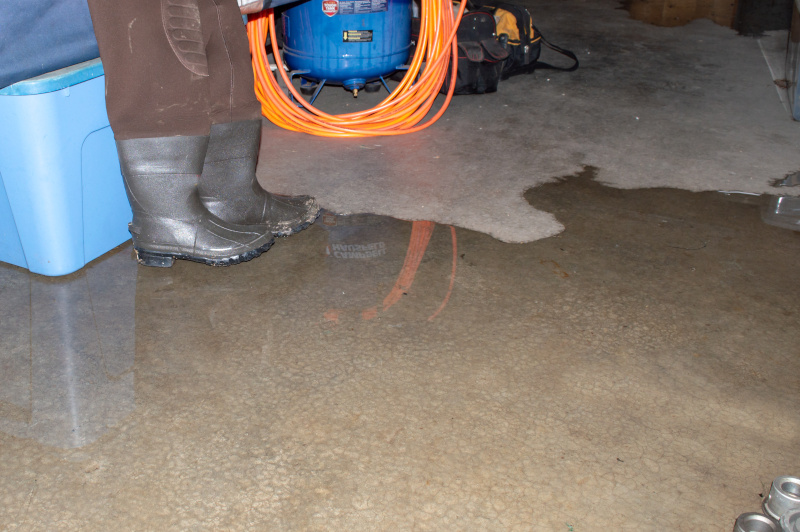
Given the seismic activity and soil conditions prevalent in California, the risk of a slab leak is high. Detecting and addressing a slab leak promptly is crucial to prevent further damage and maintain the safety of your home.
In such situations, you should rely on trusted professionals with expertise in dealing with slab leaks. Positive Plumbing, Heating & Air provides reliable solutions to address and rectify slab leaks efficiently.
Our experienced team of emergency Orange County plumbers offer the expertise needed to navigate the intricacies of slab leak detection and repair, ensuring the well-being and longevity of your home.
What is a Slab Leak?
A slab leak occurs when underground pipes embedded within or beneath the concrete foundation slabs develop leaks, leading to water seepage that can compromise the structural integrity of a home and contribute to extensive water damage.
Slab leaks are a concerning issue in homes, particularly those with slab construction, where the structure is built directly on a concrete slab foundation. These leaks can go unnoticed for an extended period, leading to potential water damage, mold growth, and structural issues.
How Slab Leaks Occur
A slab leak can occur for various reasons.
Corrosion: Over time, metal plumbing pipes, such as copper pipes or galvanized steel pipes, may corrode due to chemical reactions with the soil or water. This corrosion weakens the pipes, making them susceptible to water leaks. This may result in hiring Irvine repiping services.
Abrasion: Hot water pipes made of copper or other metals can experience abrasion due to the soil erosion or shifting of the foundation. This can lead to the development of small holes and, eventually, plumbing leaks.
Pressure: High water pressure in the plumbing system can contribute to the wear and tear of pipes over time. The stress on pipes, especially at bends or joints, may result in leaks.
Poor Installation: Improper installation of pipes within the slab can lead to stress points, weak joints, or even damage during the construction process. These factors may contribute to the eventual development of slab leaks.
Broken pipe: Plastic pipes (ABS, PVC, CPVC, PEX) are generally resistant to corrosion but can still be affected by abrasion or pressure-related issues. However, PEX (cross-linked polyethylene) pipes are known for their flexibility and durability, making them less prone to these issues. ABS is durable but may be more susceptible to impact/earthquake damage.
Causes of Slab Leaks
Soil Shift
The natural movement of soil can exert pressure on the foundation. This pressure may cause the foundation to shift, leading to stress on the embedded plumbing lines and, ultimately, the development of a slab leak.
Slab leak indicators:
- Visible cracks in the foundation
- Uneven floors
- Difficulty in closing doors or windows
Poor Plumbing Installation
Incorrect installation practices during the construction of the home can create vulnerabilities in the plumbing. This may include issues such as inadequate support for pipes, improper fittings, or stress points that can weaken the water lines over time.
Slab leak signs
- Visible signs of physical damage to pipes
- Leaks around joints or bends
- Inconsistent water pressure
External Pressures
External pressures, such as heavy construction equipment, vehicular traffic, or nearby excavation work, can exert force on the foundation. This external stress may lead to structural shifts and damage to water lines within the slab.
Slab leak indicators
- Sudden onset of leaks after external construction work
- Visible damage to the foundation
- Changes in water pressure or water quality
Corrosion
Corrosion is a common issue in metal pipes, especially in areas with aggressive water conditions. Over time, the chemical reactions between the pipes and the water or soil can lead to the development of weak points that corrode pipes and cause a plumbing leak.
More slab leak signs:
- Rust or corrosion on visible pipe sections
- Low water pressure
- Discolored water
Identifying a Slab Leak
Keep a vigilant eye for the following signs and symptoms that may indicate signs of a slab leak:
- Higher Water Bills: A sudden and unexplained increase in your water bills could be indicative of a slab leak. If there’s no apparent change in water usage, but you notice a spike in costs, it’s time to investigate further.
- Sounds of Running Water: If you hear the sound of water running when no appliances or faucets are in use, it may signal a leak beneath the slab. The water escaping from the pipes can create a faint but constant sound.
- Foundation Cracks: The presence of cracks in your home’s foundation can be a clear indication of a potential slab leak. Water escaping from pipes beneath the slab can cause soil shifts and compromise the foundation’s integrity.
- Hot Spots on the Floor: An unexplained warm or hot area on your floor, particularly in the absence of underfloor heating, can suggest a hot water line leak beneath the slab.
- Damp or Moldy Carpet or Flooring: Moisture or mold growth on carpets or flooring materials, especially in areas without a known water source, may indicate a hidden leak beneath the slab.
- Low Water Pressure: A sudden decrease in water pressure throughout your home, without an apparent cause, may signal a leak in the plumbing.
Impact and Risks of Ignoring Slab Leaks
Ignoring or delaying the repair of slab leaks can lead to severe consequences, affecting both the structural integrity of your home and your financial well-being.
- Structural Damage: Water escaping from compromised pipes beneath the slab can cause soil shifts, leading to the formation of voids or uneven settling. This, in turn, weakens the foundation and may result in cracks or even structural failure.
- Increased Repair Costs: What may initially require a relatively simple repair can escalate into a complex and costly renovation project if left unaddressed.
- Mold and Mildew Growth: Moisture from slab leaks creates an ideal environment for mold and mildew growth. These can thrive in hidden spaces, such as beneath flooring or within walls, compromising indoor air quality and posing health risks.
- Decreased Property Value: Homes with untreated slab leaks are likely to experience diminished property value. Structural issues and a history of water damage can deter potential buyers and reduce the market appeal of the property.
- Plumbing System Complications: Slab leaks can cause additional complications within your system. The unrestrained escape of water can lead to erosion of soil around pipes, creating voids that may cause further damage and shifts in the plumbing infrastructure.
Repair Options and Considerations
Pipe Rerouting
In cases where the slab leak is due to extensive pipe damage or corrosion, one approach is to reroute the plumbing lines around the affected area. This involves installing new pipes through walls or ceilings to bypass the compromised section.
Pros
- Avoids disruption to the slab.
- Minimizes the need for extensive demolition.
- Can be a cost-effective solution in certain scenarios.
Cons
- May require modifications to the home’s plumbing layout.
- Limited applicability based on the specific circumstances of the leak.
Tunneling
Tunneling involves creating channels or tunnels beneath the slab to access and repair the leaking pipes. This method allows plumbers to reach the affected area without damaging the entire flooring.
Pros
- Precise access to the leak location.
- Minimizes disruption to the surface of the slab.
- Enables targeted repairs.
Cons
- Can be labor-intensive and time-consuming.
- May require additional repairs to the tunneling site.
Breaking Through the Slab
This method involves breaking through the concrete foundation slab to directly access the leaking pipes. Once the repairs are complete, the slab is patched or replaced.
Pros
- Provides direct access to the entire affected area.
- Allows for comprehensive repairs.
- Suitable for severe or widespread leaks.
Cons
- Involves significant disruption and demolition.
- Requires extensive restoration of the slab after repairs.
Epoxy Pipe Coating
Epoxy pipe coating is a non-invasive method where a special epoxy resin is applied to the interior of the pipes. This creates a durable and protective barrier, sealing leaks and preventing future corrosion.
Pros
- Non-destructive and minimally invasive.
- Can be applied to existing pipes.
- Effective for addressing pinhole leaks and minor damage.
Cons
- Limited applicability for more extensive or severe leaks.
Insurance Coverage for Slab Leaks
Homeowners often rely on insurance to mitigate the financial impact of unforeseen events. When it comes to a slab leak, understanding the nuances of your homeowners’ insurance policy is crucial.
Coverage varies based on the circumstances of the slab leak, potential exclusions, and policy endorsements. While sudden and accidental water damage is generally covered, gradual damage or issues related to wear and tear may not be included.
Structural damage resulting from a covered water leak may have coverage, but it depends on policy language.
Homeowners are advised to review their policies, communicate with insurers, and consider endorsements for enhanced protection. Timely maintenance, addressing plumbing issues promptly, and seeking professional assistance can contribute to a smoother claims process, protecting homes from the financial burden of slab leaks.
Prevention Tips for Homeowners
Preventing slab leaks is a proactive approach to maintain the integrity of your home and avoid potential insurance complications. Homeowners can adopt practical measures to minimize the risk of slab leaks:
Soil Moisture Maintenance
- Ensure proper drainage around your home to prevent soil shifts.
- Regularly monitor soil moisture levels, especially during periods of heavy rain or drought.
- Maintain consistent moisture levels to reduce the potential for foundation movement.
Annual Plumbing Inspections
- Schedule annual plumbing inspections with a professional plumber to assess the condition of your system.
- Check for signs of corrosion, leaks, or wear and tear in exposed pipes.
- Address any plumbing issues promptly to prevent them from escalating into potential slab leaks.
Temperature and Pressure Regulation
- Install a pressure regulator to prevent excessively high water pressure, reducing stress on the plumbing.
Prompt Repairs and Maintenance
- Attend to plumbing repairs promptly, including fixing leaks, replacing damaged pipes, and addressing issues that may contribute to slab leaks.
Why Choose Positive Plumbing, Heating & Air for Slab Leak Issues?
In the heart of California, where the risk of a slab leak is high, you need trusted and reliable experts for detection and repair services.
Contact Positive Plumbing, Heating & Air today for a personalized assessment, timely repairs, and peace of mind in managing slab leak issues. With their commitment to excellence, you can trust Positive Plumbing, Heating & Air to safeguard your home against the potential challenges posed by slab leaks.
